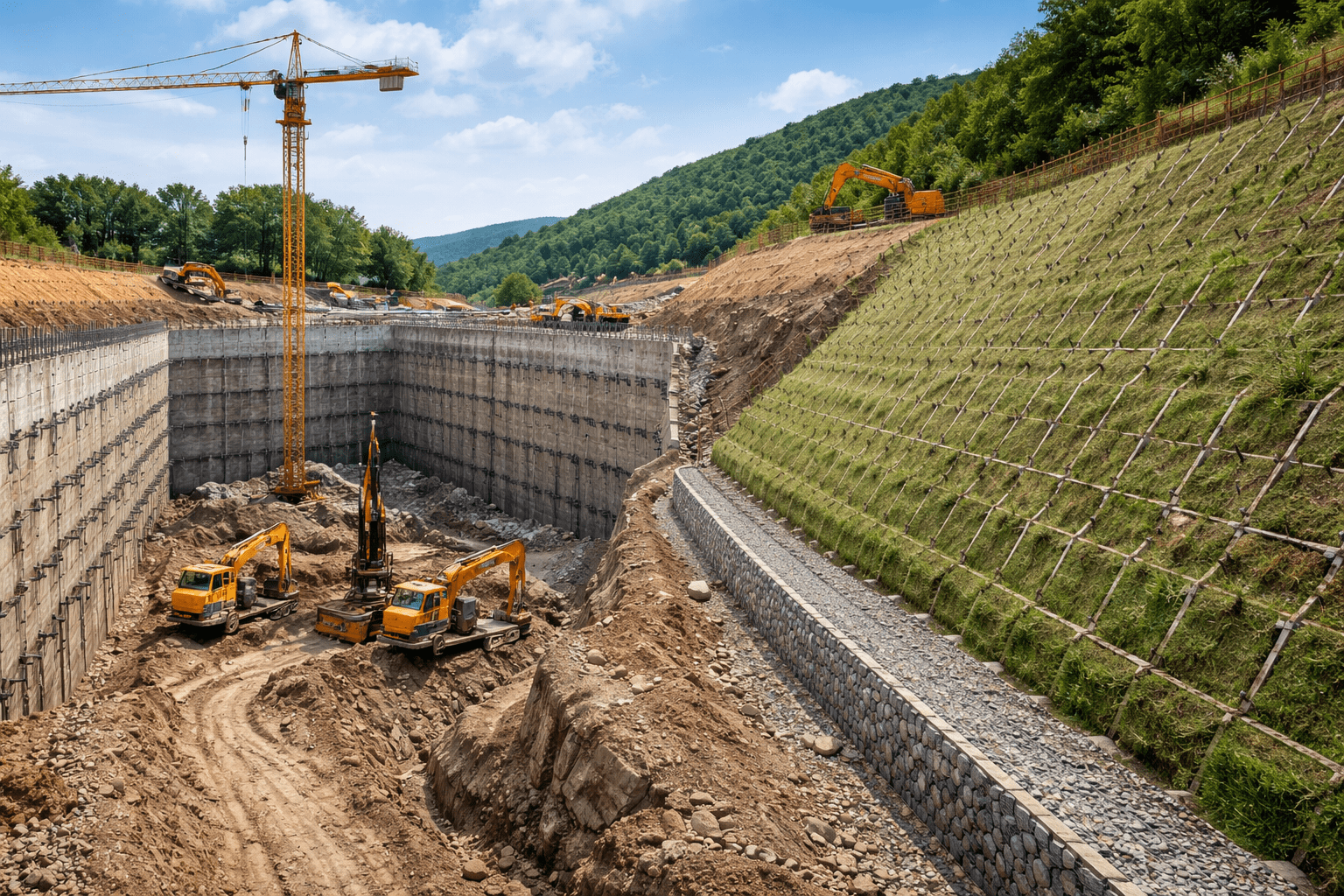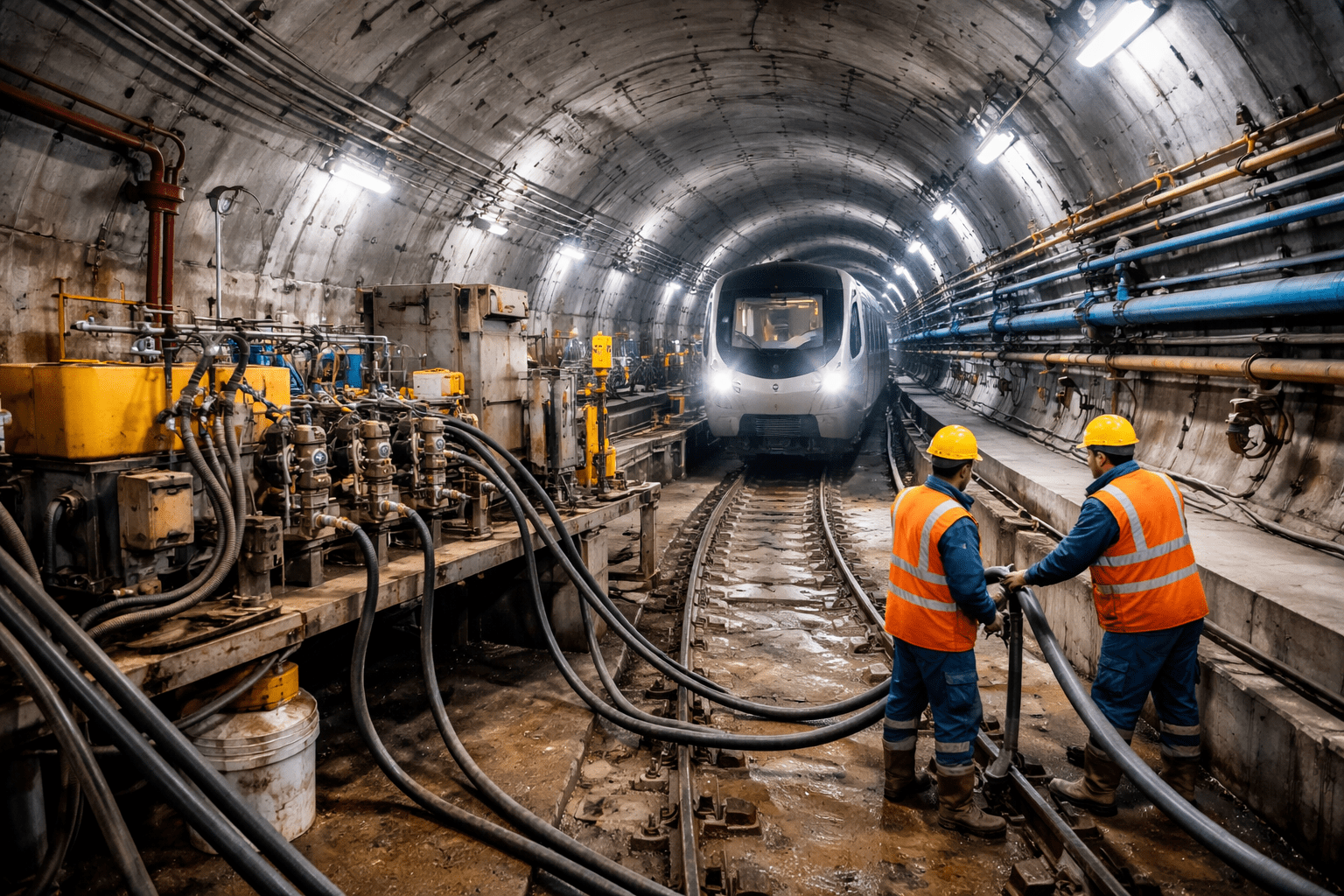

Large infrastructure projects require strong and stable ground conditions. However, natural soil and rock layers often contain cracks, voids, or weak zones that can affect the safety of structures. That is why modern geotechnical engineering uses advanced techniques like consolidation grouting and hydro project grouting to improve ground stability.
At Geo Constech, these grouting solutions help strengthen foundations, control water seepage, and ensure the long-term durability of hydro infrastructure. In this blog, we will explore what consolidation grouting is, how hydro project grouting works, and why these techniques are essential for modern construction.
What is Consolidation Grouting?
Consolidation grouting is a ground improvement method used to strengthen weak soil or fractured rock. In this process, engineers inject grout materials into cracks, voids, and discontinuities present in the ground. As the grout fills these spaces, the ground becomes denser, stronger, and less permeable.
Simply put, consolidation grouting improves the stability of the ground by filling gaps inside rock or soil layers. Once the grout hardens, it binds the surrounding material and creates a more solid and reliable foundation.
This method is widely used in geotechnical engineering because it reduces water flow through cracks and increases resistance against structural loads. As a result, projects can achieve better durability and safety.
How Consolidation Grouting Works
The consolidation grouting process involves several important steps. Each stage is carefully planned based on geotechnical investigation data.
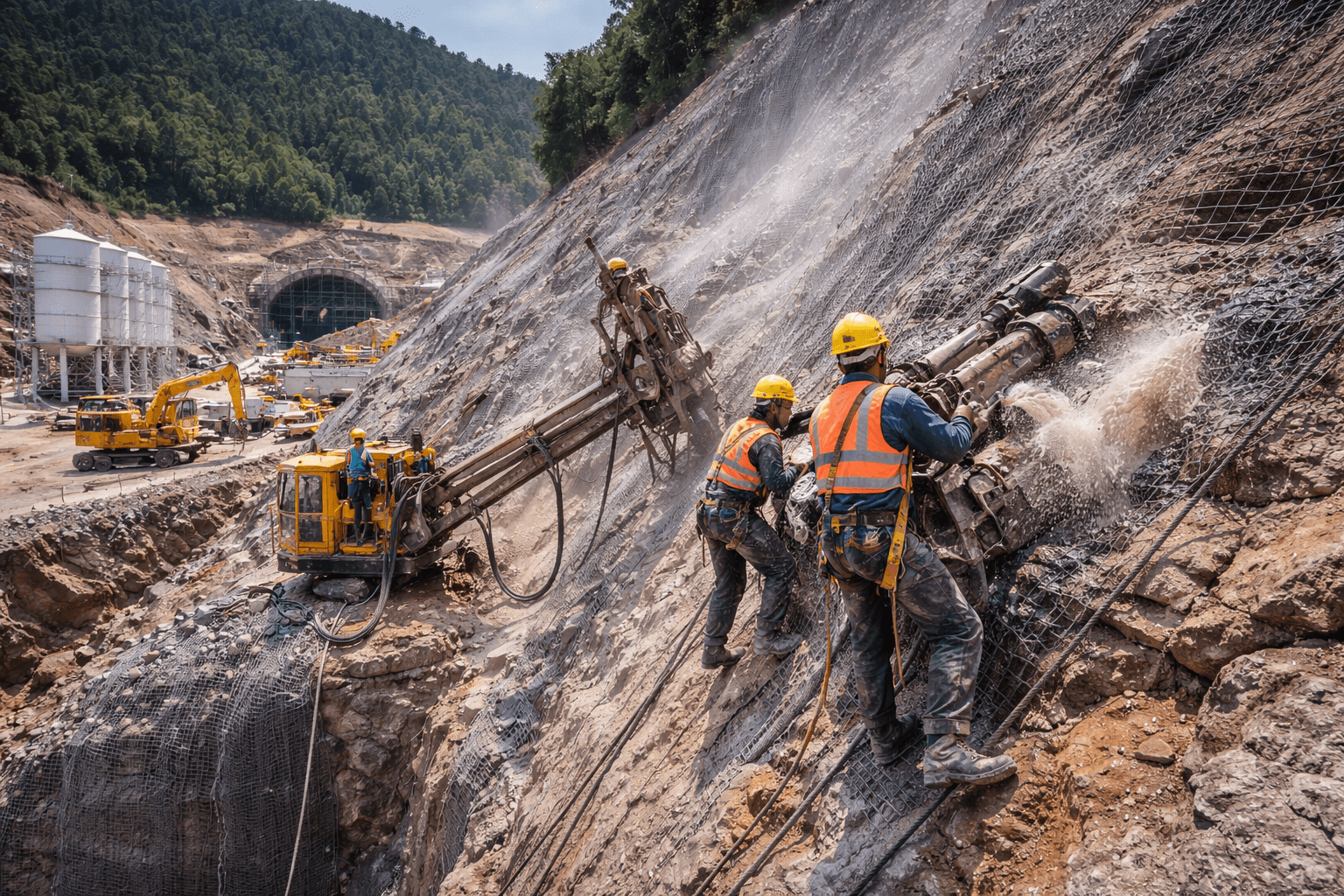
First, engineers drill small holes into the soil or rock formation where grouting is required. Then grout materials—often cement-based mixtures—are injected into these holes under controlled pressure. The grout flows through fractures and cavities, filling the empty spaces inside the ground.
After injection, the grout gradually hardens. Because of this, the surrounding soil or rock becomes more compact and stable. Moreover, the permeability of the formation decreases significantly, which helps prevent water seepage.
In addition, engineers often use techniques such as stage grouting or split spacing. These methods ensure that the grout spreads evenly and covers the entire treatment zone effectively.
Benefits of Consolidation Grouting
Consolidation grouting provides many advantages for infrastructure projects. Because it improves both strength and water resistance, it is widely used in complex construction environments.
Some major benefits include:
- Strengthens weak soil and fractured rock
- Reduces permeability and water seepage
- Improves load-bearing capacity of foundations
- Prevents settlement and structural damage
- Provides long-term ground stability
Therefore, consolidation grouting plays a vital role in large engineering projects such as dams, tunnels, and underground structures.
Role of Consolidation Grouting in Hydro Projects
Hydro infrastructure projects face unique challenges. Water pressure, underground seepage, and geological variations can affect the stability of dams, tunnels, and powerhouses.
That is where hydro project grouting becomes extremely important.
Consolidation grouting is often used during hydro construction to strengthen the foundation of dams and reduce water leakage. When cracks or cavities exist in rock formations, water can easily pass through them. However, once grout fills these openings, the rock mass becomes more watertight and structurally sound.
Because of this, consolidation grouting is widely used in:
- Dam foundations
- Hydropower tunnels
- Underground caverns
- Water shafts and intake structures
By improving the ground conditions, engineers ensure that hydro structures remain stable even under high hydraulic pressure.
What is Hydro Project Grouting?
Hydro project grouting refers to specialized grouting techniques used in hydropower and water infrastructure projects. These techniques aim to stabilize rock formations, control groundwater movement, and protect the structural integrity of hydro systems.
In hydroelectric projects, grouting is typically performed in dam foundations, diversion tunnels, and powerhouse areas. The main goal is to create a strong and impermeable ground structure that can safely withstand water loads.
Moreover, hydro project grouting helps prevent seepage that could otherwise weaken foundations or cause structural failures over time.
Because hydro projects often involve complex geological conditions, experienced geotechnical experts are required to design and execute the grouting program effectively.
Why Choose Geo Constech for Grouting Solutions
When it comes to consolidation grouting and hydro project grouting, expertise and precision are essential. Every site has different geological conditions, so the grouting approach must be carefully planned.
Geo Constech offers advanced geotechnical solutions that address these challenges with accuracy and efficiency.
The company focuses on delivering reliable ground stabilization services for infrastructure and hydro projects. With modern equipment and experienced professionals, Geo Constech ensures that grouting operations are carried out safely and effectively.
Some key strengths include:
- Expertise in consolidation grouting techniques
- Specialized solutions for hydro infrastructure
- Advanced drilling and injection equipment
- Strong focus on quality and safety
- Customized geotechnical engineering approaches
Because of these capabilities, Geo Constech continues to support complex infrastructure projects with dependable ground improvement solutions.
Conclusion
Ground stability is one of the most critical factors in large infrastructure and hydro engineering projects. Without proper treatment, weak soil or fractured rock can lead to serious structural problems.
That is why consolidation grouting and hydro project grouting are widely used to strengthen foundations and control water movement in the ground.
By injecting grout into cracks and voids, engineers can significantly improve the strength, durability, and safety of construction sites. These techniques are especially important in dam construction, tunneling, and hydropower development.
With its expertise in geotechnical engineering, Geo Constech provides reliable and effective grouting solutions for modern infrastructure projects. As a result, developers can build stronger, safer, and longer-lasting structures.